Nutritional Aspects for Men
General dietary considerations often discussed in relation to men's health, presented in an educational context.
Foundational Nutritional Principles
While nutritional needs are highly individual and vary based on age, activity level, health status, and genetics, certain dietary principles are relevant across populations, including men of various ages and backgrounds.
Understanding these general principles helps in evaluating dietary approaches and making informed personal choices. However, individual nutritional requirements differ significantly, and personalized guidance from healthcare professionals is always recommended.
Key Nutrients in Male Nutrition
Certain nutrients are often highlighted in discussions about general nutritional adequacy for men:
- Zinc: Involved in protein synthesis, immune function, and various enzymatic reactions
- Magnesium: Supports muscle function, energy production, and nervous system health
- Selenium: Functions as an antioxidant and supports various metabolic processes
- B Vitamins: Essential for energy metabolism and nervous system function
- Iron: Critical for oxygen transport and energy production
- Calcium: Important for bone health and muscle function
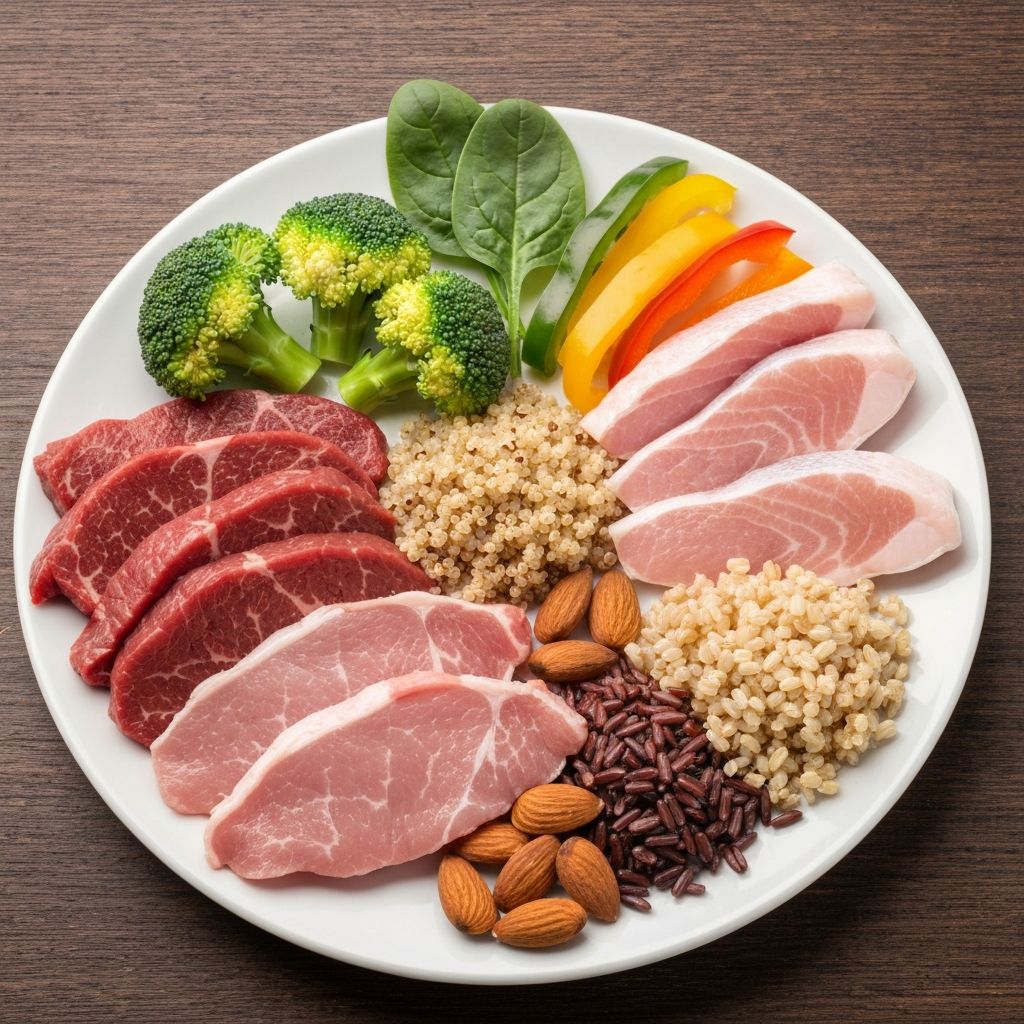
Activity and Nutritional Demands
Physical activity influences nutritional requirements. Men with different activity levels have varying needs for calories, macronutrients, and certain micronutrients.
Protein Considerations
Protein intake becomes increasingly relevant with physical activity. Beyond basic bodily functions, protein supports muscle maintenance and adaptation to physical stress. Protein needs vary based on activity type, intensity, and individual factors.
Micronutrient Demands
Increased physical activity may elevate requirements for certain micronutrients involved in energy production, muscle recovery, and antioxidant defense. These include B vitamins, iron, magnesium, and antioxidants like vitamins C and E.
Hydration in Activity
Physical exertion increases fluid loss through perspiration. Adequate hydration becomes even more critical during and after activity. Fluid and electrolyte balance work together to support optimal physical performance and recovery.
Explore Full Nutrition Guide
Dietary Components and General Health
Different dietary components contribute to various aspects of general well-being and physiological function.
Cardiovascular Nutrition
Heart health is influenced by dietary patterns and nutrient intake. Macronutrient composition, fiber intake, and micronutrients like potassium and magnesium support cardiovascular function through various mechanisms.
Bone and Muscle Health
Calcium, magnesium, vitamin D, and protein all play roles in maintaining bone density and muscle function. These nutrients support both structure and the physiological processes that maintain musculoskeletal health.
Energy and Metabolism
Macronutrients provide energy, while B vitamins facilitate the metabolic processes that convert food into usable energy. Adequate micronutrient intake supports efficient metabolism and energy utilization.
Lifestyle Factors and Nutrition
Nutrition does not exist in isolation. Other lifestyle factors interact with diet to influence overall health and well-being.
Sleep Quality
Sleep and nutrition are interconnected. Certain nutrients influence sleep-wake cycles, and sleep quality affects metabolic processes and nutritional status. This bidirectional relationship highlights the importance of comprehensive lifestyle approaches.
Physical Activity
Regular physical activity is a fundamental lifestyle component that interacts with nutrition. Activity influences nutrient requirements, metabolic function, and the importance of various dietary components.
Stress Management
Chronic stress influences both dietary choices and nutrient metabolism. Certain nutrients play roles in stress response and nervous system regulation, making nutrition relevant to stress management strategies.
Preventive Approaches
Rather than treating deficiencies or health issues, a preventive nutritional approach focuses on maintaining optimal nutrient status through balanced eating patterns that support long-term well-being.

Food Groups and Nutrient Density
Building a Balanced Diet
Lean Proteins
Fish, poultry, lean meats, eggs, legumes, and dairy products provide amino acids while contributing varying levels of micronutrients and other dietary components.
Vegetables and Fruits
Rich in vitamins, minerals, fiber, and phytochemicals. Different colors indicate different nutrient profiles, supporting diverse nutritional intake through variety.
Whole Grains and Legumes
Provide complex carbohydrates, fiber, plant-based proteins, and B vitamins. These help support sustained energy and various bodily functions.
Healthy Fats
From sources like olive oil, nuts, seeds, and fatty fish. Support various bodily functions and help with absorption of fat-soluble vitamins.
Understanding Individual Variation
While general nutritional principles apply broadly, individual circumstances create significant variation in actual nutritional needs and responses to dietary changes.
Factors Affecting Individual Needs:
- Age and Life Stage: Nutritional requirements change throughout life
- Genetics: Inherited factors influence nutrient metabolism and requirements
- Health Status: Existing conditions affect how the body processes nutrients
- Medications and Supplements: Can interact with nutrient absorption and metabolism
- Activity Level and Type: Determines caloric and micronutrient demands
- Environmental Factors: Climate, stress levels, and other environmental aspects influence needs
- Personal Preferences: Cultural, ethical, and taste-related factors shape dietary choices
Important Disclaimer
This content is for educational purposes only and reflects general nutritional principles. It does not constitute medical or dietary advice and should not replace consultation with qualified healthcare professionals. Individual nutritional needs vary significantly and require personalized assessment.
Learn More About Nutrition Science
Explore comprehensive nutritional information on our main resource page.
Full Nutrition Guide Common Questions